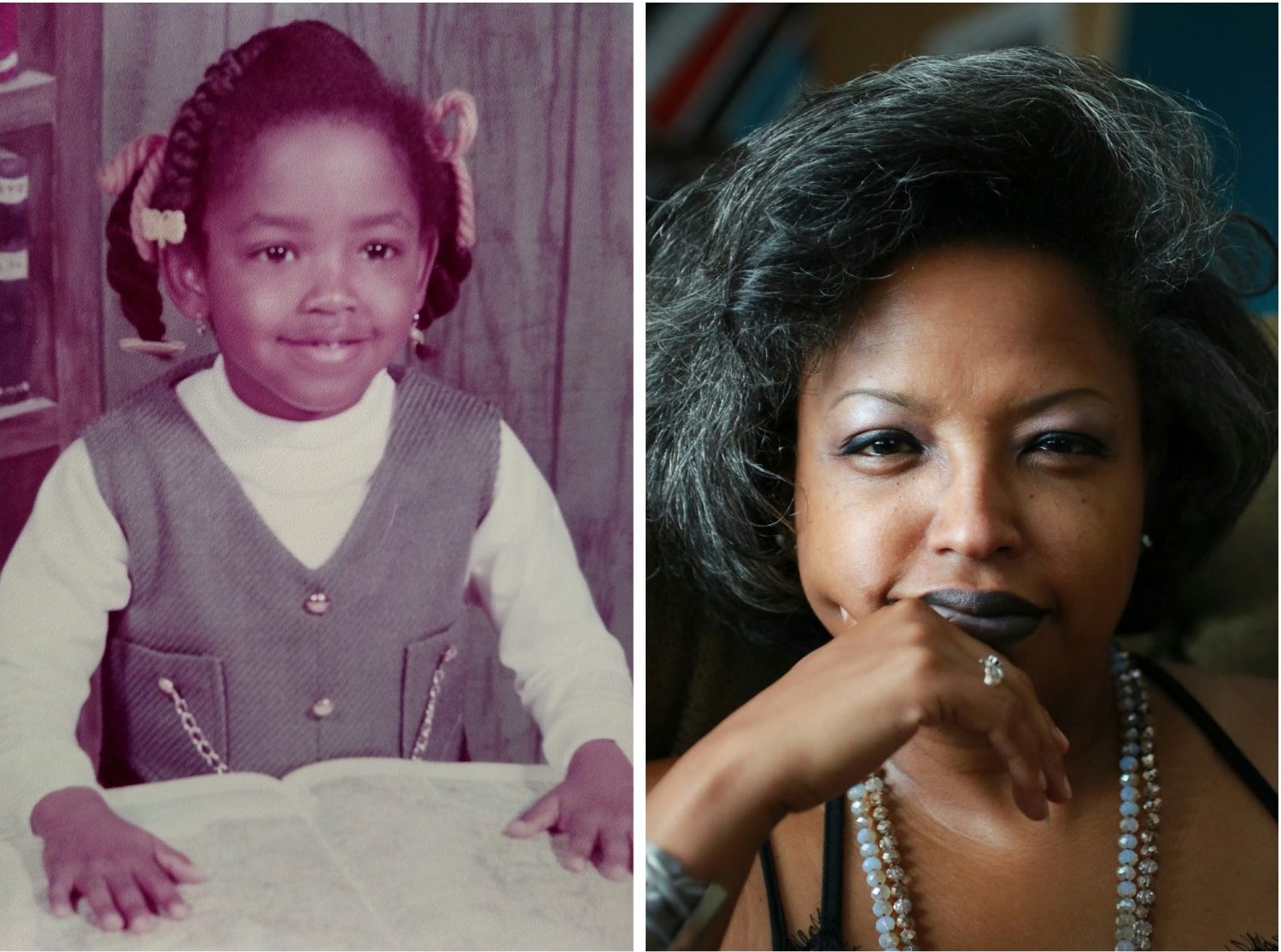
No One Should Be Able to Love You Better Than You Can

I believe that I have learned an important lesson in how to heal from a painful situation or relationship (and it has only taken me more than half of my life to figure it out).

In my healing process, I had to learn to give myself all the feelings and attention that the people in my life could not give to me for one reason or another.

Who knew that being consistently and intentionally kind and loving to myself could become the most powerful way for me to truly heal from trauma or pain?

It sounds so simple, but when a person is in pain or when they are sad they often do not think that being kind to themselves is the answer. They just want the pain to go away.

They just want to feel better.

Once I learned how to start showing up for myself, emotionally, I began to acnowledge and understand my feelings, and my outer wounds begin to heal, one day at a time, as some might say.

I also learned that it was very important to resist the temptation to numb myself or do anything excessively, as a means for helping me cope with my feelings of sadness and loss.

Sadness and loss are just as much a part of life as happiness and gain, but many of us do not know how to manage sadness like we do happiness or joy. No one really teaches us head-on in childhood or adolescence how to work through sad and even negative feelings in ways that are loving and healthy, at least none that I remember. In my family of origin, for example, my siblings and I were each on our own when it came to feeling sadness and loss, especially as we all experienced the divorce of our parents and thus the loss of our family life as we knew it then. Nevertheless, I believe that we did the best we could with the tools that we had at the time.

In adulthood, as I heal from sad and painful situations, it has been critical for me to be more intentional about wading through my feelings. I take the time to feel and express my feelings, not to run from them or ignore them. I am a part of several support groups, and therefore I learn from others who are actively taking the time to recover their authentic selves.

On the other hand, I frequently seek out opportunities for solitude and self-reflection, and when I feel super low, I give myself all the feelings that I want and need from others, such as:

patience,

kindness,

recognition,

encouragement,

acceptance,

motivation,

praise,

unconditional love,

courage,

and of course the healing joy that comes from laughter.

Furthermore, since I am solo, there are many enjoyable activities that I do for and with myself, like listening to straight ahead jazz and professional message therapy, which bring me back to myself and to the task of making my dreams come true. I spend my energy on myself, instead of on others who have demonstrated to me that they do not give a flying-47 about me, my health, or my ultimate success in life.

As I practiced lovingkindness towards myself, I knew I was getting better when the memory of what others did or did not do did not matter to me as much as it once did. When I put the focus on just being me, in the words of the great Abbey Lincoln, I could tell that I was recollecting myself and my power. My strength was renewed as I learned to cultivate love and compassion into my very own being.

As a result, I have gained a profound realization of self-preservation; one that I never really had before. This understanding comes to me at the strangest of times, and when it does I remind that vulnerable and precious part of myself that I will do everything in my power to be here for her and to take care of her, to the best of my ability for the rest of my life.

Realizing the significance of self-advocacy is one of the greatest feelings that I have ever had: it has reassured me of the trustworthiness of my own persistence, power, and presence: my very own will to thrive. Sometimes, that looks like a fierce standing up for myself or protecting myself from those in my life who are unable to be there for me or from those who try to harm or hurt me. I have learned to trust myself, and I trust those who are trustworthy.

In today’s society, this type of vigilance is necessary because, increasingly, more people – all around the world – are exhibiting narcissistic and selfish traits. Regrettably, there are some very troubled people in this world and  they do cause others to feel pain and suffering, and I believe that the people who do this are very, very sick individuals. That is no excuse, but I do perceive them as immature and ill-minded people who function like badly behaving children. As adults, they are very dangerous people to be around because they often make impulsive, misguided decisions, but let them tell it  they are the victim of everyone else’s actions. They do not take accountability for what they do to hurt others nor do they seem to realize that they sabotage their own happiness. This is quite sad.

Anyhow, the moral of this blog is that unless you are sick or legitimately dependent upon others, no one should be able to love you (an adult) any better than you can. We can heal ourselves when we present ourselves with the gifts of lovingkindness.

© 2024 annalise fonza, Ph.D., MURP, M.Div., MPA

Updated 02/28/2024

When Is It Time To Run Away?

You will know that it is time to run away from an emotionally abusive person when you hear them say very troubling, self-deprecating things about themselves such as:

I am not a good person; or,

I know I am an a****le; or,

I do not forgive; or,

I do not care about anyone else but you and me; or,

I ain’t s**t; or,

I am a broken person; or, worst of all,

I do not have anything to give anyone right now.

When you hear them say these kinds of things about themselves that is not the time to stick around to see if they will change.

By their own admission, they are telling you exactly what they believe about themselves and their own attributes or character; or how they really see themselves when they are alone and looking in the mirror – which is super heartbreaking.

Way back, somebody with authority in their lives may have said those words to plant those terrible seeds of self-hate inside of them so that one day hatefulness would be in full bloom and rule them, as it did for the ones who planted those seeds.

When you start to hear this kind of talk from someone you know, maybe even someone you love, it is hard – but that is your cue to get up and run away; go for your safety. It is not your responsibility to heal them or to fix them.

The longer you stay or wait, you will be wasting your precious time (time you could be spending on yourself or with someone who sees themselves and you in positive, loving terms) on a person who is full of self-hate and doing absolutely nothing to address it so that they could become a better person. This way of thinking feels normal to them, and it is, perhaps, the only way they know to be. Being hateful is central to their identity.

This kind of person will only bring you pain, and you do not deserve that. Come to think about it, in all fairness, neither do they.

© 2023 annalise fonza, Ph.D., MDiv.

Updated 12/13/2023

Be Who You Are, Not What You Do

The things that I do for a living do not make me who I am. I work, primarily, so that I have money to pay my bills. On the one hand, my work is – to some degree – a reflection of who I am and what I value in life. On the other hand, and this is something that I believe we have all learned during the Coronavirus pandemic, is that work (as in a job) is temporal. It is time- sensitive and often limited by the environment in which we live, whether we understand that or not.

I know people who define themselves by the work that they do (or for more superficial reasons such as the benefits of work, i.e., money, prestige, power, material possessions). But what happens when that work dries up or goes away? Who would they be if their day-to-day work duties came to an end through no fault of their own, or through some fault of their own? It is good to take pride in our work, but it is even more important that we learn to define and express ourselves by what is within us, as opposed to what is outside or around us. And, we must know that who we are is not contingent upon what we do for a living, rather who we are is contingent on the beings that we are deep down inside.

There are people who I know in life who define themselves by the work that they do day-to-day on “the job.” Often, those very same people are workaholics, which is, as I have been told, one of the most acceptable yet destructive addictions that a person can have. Because, without that work, they feel meaningless, worthless, and very lost (in a world of so many possibilities). These very same people, who display so much pride and ego about their jobs may easily feel like nothing if and when their jobs come to a complete halt (and so do the things that that work provided). And, this should tell us something about their character, huh? Perhaps they lack the ability (or the courage) to reinvent themselves when life calls on them to create new ways of being and doing; and, unfortunately, that work and those things are what they use to define themselves. It does not have to be that way. 

In summary, who we are is connected to our character, which is an intangible thing and something that we develop over time, ever since the day that we came into this world. Are you a lover of trees or nature; are you a friend to the broken-hearted or the homeless; are you a fighter for peace and justice, or a natural-born leader? Are you a person who genuinely wants the good or advancement of others?

Or, are you only concerned about yourself and your earthly possessions? Do you misuse and abuse others? Is it easier for you to hate than to love? Of course, I know people who do not know who they are; or, they pretend that they are someone who they are not, usually to (cowardly) get what they want. These people do a lot of damage to themselves and to others.

Whoever you are, it is our character that will reveal who we are: good, bad, or in-between. To be sure, I do know some people who are genuinely good. That is, they are in touch with their own sense of self, which can exist on its own, apart from work, others, and the environments in which we live. Of course, character comes out in word, but most of all it is articulated in our deeds. Yes, the work that we do on a day-to-day basis may be a reflection of our character, or maybe it is not. It all depends on how and why that work is needed. Perhaps the work that we do today for ourselves simply sets the stage for what is to come later, or maybe the work we do today will last for a lifetime. Only you can be the judge and the jury for the place or value that work will take in your life. But, in times of uncertainty, it is always important to remember to be who you are, not what you do.

©2020 annalise fonza, Ph.D.

Red Flag

If a man intentionally harms a woman that he has claimed to love for no other reason than to punish her, hurt her, or make her suffer for something that he did to compromise their relationship or being together,

And he is a father, and he has granddaughters and grandsons, then you must know that something has probably gone horribly wrong in his life.

© 2020 annalise fonza, Ph.D.

What Do You Believe?

What you believe about yourself and others will show up in your actions, not in your speech.

If you believe you are worthy, you will act like it and you will make the best choices that you can to experience the best that life has to offer.

If you believe that the lives of others are precious and free, you will treat them with kindness and respect.

If you believe that life is worth the living, you will live it to the best of your ability.

If you respect the people in your life, you will show them that you care about their lives and their feelings.

If you are a good person, you will say and do good things, and you will probably be a giver.

On the other hand, if you believe that you are not a good person, it will be articulated in your actions.

Perhaps you will sabotage just about every good thing that comes into your life, and then fail to take responsibility for the damage that you cause.

The malevolence of your beliefs about yourself will show up in your day-to-day living, and you will probably take much more than you give, if you give anything at all without any expectation of repayment.

If you are selfish, you will not care about how your actions affect others (and being selfish is not a sign that you love yourself, rather it is a type of greed or, frankly, narcissism).

If you are manipulative, you will lie and deceive others to get what you want, and even when what you want could be freely obtained or given.

If you are hateful, you will belittle and spew hate on to others, including those you do not even know. You will not be a genuinely pleasant person to be around.

If you are not trustworthy, you will not trust others, and you may always be looking over your shoulder, and weaponizing yourself with your words and actions.

If deep down you believe that you are not worthy of good things and good people, then you will choose things and people who are not good for you.

You will make poor choices, and possibly suffer devastating consequences.

Oh yes, I have learned to pay attention to the core beliefs of others (and to my own) by observing their actions, not their speech.

And doing this has taught me how to save my own life.

©2020 annalise fonza, Ph.D.

Updated: 07/27/2024

You Are Worth It!

You are worth every pause that someone takes on your behalf.

You are worth every “ooh” and “aah” from a loved one or someone who is enamored by you.

You are worth every happy moment that you feel in your own life.

You are worth celebrating when something goes right, or when you get a new job.

You are worth all the smiles and kisses that your partner can send your way.

You are worth it when he or she stops what they are doing to come and see about you when you are scared, afraid, or in pain.

You are worth patience, compassion, and empathy, from your lover and friends.

You are worth a good listen to the stories that are buried deep within.

You are worth it when it means it will lessen the anxiety that you feel inside.

You are worth being heard.

You are worth being seen.

You are worth being valued and being made a priority by those who say they care about you.

You are worth it.

Say it to yourself – “I AM WORTH IT” – until you believe it, and

Never let anyone tell you that you are not worth their time or their attention.

However, in the event that someone shows you with their actions and their words that you are not worth anything to them,

When they show you that they could care less about what happens to you, or how you feel,

If they intentionally hurt you with their words and actions,

Then, please know, on the contrary, that they are not worthy of you or the love that you have to give,

And, more than likely, they are far too emotionally immature and unprepared to handle the ups and the downs of life,

With you.

© 2019 annalise fonza, Ph.D.

A Cautionary Note to Self on Surviving Abuse

Careful, that you don’t become just like those who failed you with hate, anger, and abuse.

You deserve a life that is truly free from their madness and confusion.

Just getting away from them is not enough.

Letting them go and surviving the trauma is also refusing to carry your abuser’s self-destructive thoughts and ways around inside of you.

© 2018 annalise fonza, Ph.D.