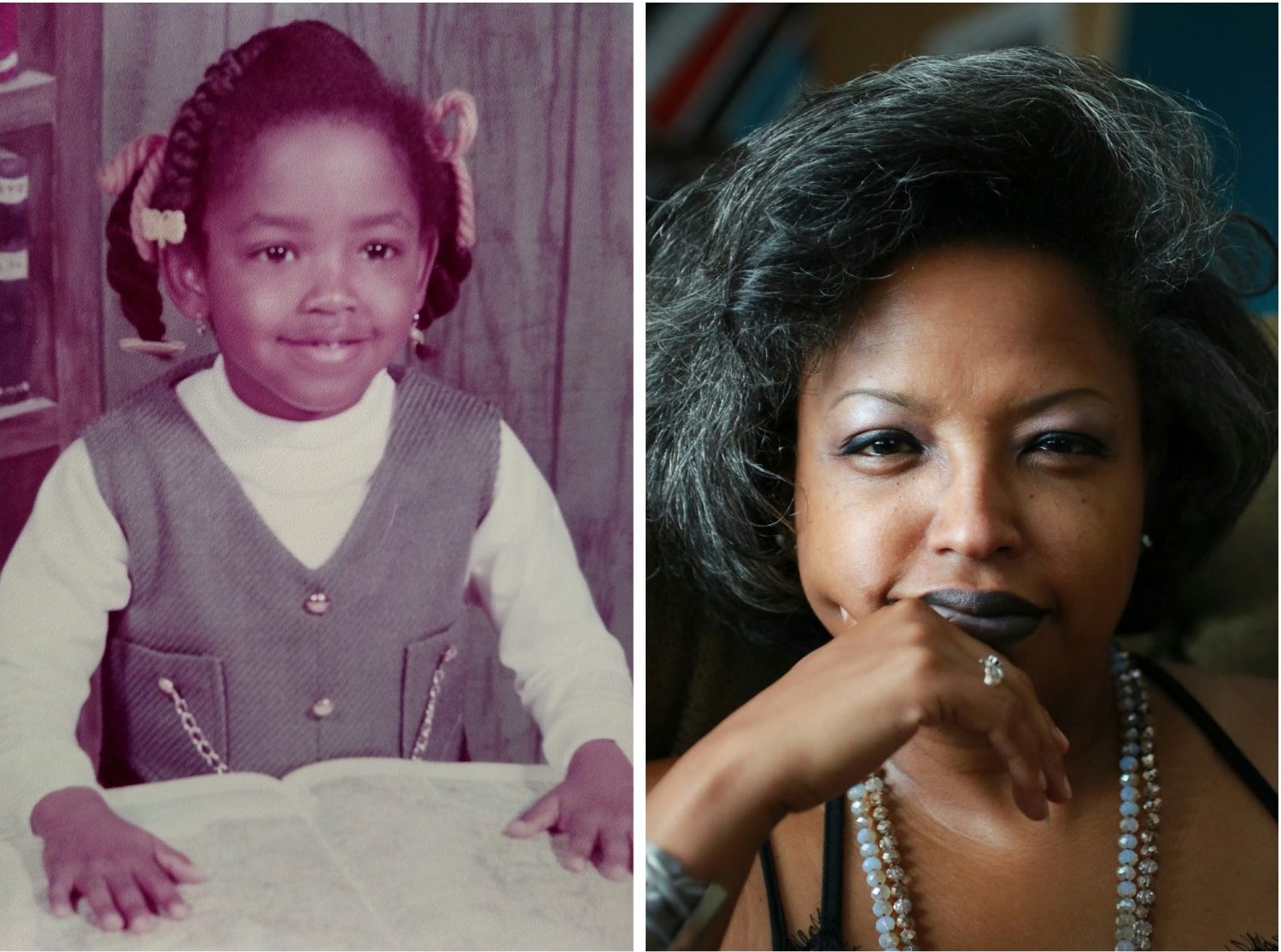
Learning from The Black Panther Movie: Embracing the Beauty of Sunsets (and the People) We Never Could Have Imagined

There is always more than one way to win when you are in a fight, or when you are facing an enemy or oppressor. What I liked about the movie Black Panther was seeing that it is not always necessary or wise to let the hate or contempt that you feel for those who hurt you eat you and every one you come into contact with, alive.

I know far too many people, and a few that I attempted to love, who were consumed with anger and hate. In some cases, they destroyed everything that they came into contact with: good, bad, and in-between; until eventually their hate and resentments led them to bring a premature, unfortunate end to themselves, and almost everything and everyone who came into their lives.

I’m all for insisting upon accountability and justice from those that I would consider to be my enemies, and wven from hateful and abusive individuals or systems, but, I’ve also learned that it is not to my benefit or for my good to destroy my own chances at happiness and joy because of what someone else did or said in spite of the fact that they caused harm. It is important to mourn or grieve loss, but I cannot live my life wallowing and drowning in the inadequacies and transgressions of others, especially when they seem to be oblivious to their own brokenness and failures. My well-being and time are precious.

Approaching the age of sixty, I have learned that living in this way – caught or stuck in the grip of past traumas or pain – will only keep me from seeing the beauty in life, the sunsets, the people and the places that I never could have imagined.

I walked out of the movie, Black Panther, with this great lesson. It is a privilege to have the time to be intentional about healing from the losses and tragedies of the past, and even the ones we face in the not so distant present. I believe this is true for all of humanity. If we have the resources to heal, then it is important to embrace them.

If we (as a species) are ever going to be useful to ourselves and to others, especially for the next generation, then we must recognize that healing is one of the most important tasks of the human experience. We risk much more than we know when we choose to suppress or ignore our pain.

© 2026 annalise fonza, Ph.D. updated 06/05/2026

Be Who You Are, Not What You Do

The things that I do for a living do not make me who I am. I work, primarily, so that I have money to pay my bills. On the one hand, my work is – to some degree – a reflection of who I am and what I value in life. On the other hand, and this is something that I believe we have all learned during the Coronavirus pandemic, is that work (as in a job) is temporal. It is time- sensitive and often limited by the environment in which we live, whether we understand that or not.

I know people who define themselves by the work that they do (or for more superficial reasons such as the benefits of work, i.e., money, prestige, power, material possessions). But what happens when that work dries up or goes away? Who would they be if their day-to-day work duties came to an end through no fault of their own, or through some fault of their own? It is good to take pride in our work, but it is even more important that we learn to define and express ourselves by what is within us, as opposed to what is outside or around us. And, we must know that who we are is not contingent upon what we do for a living, rather who we are is contingent on the beings that we are deep down inside.

There are people who I know in life who define themselves by the work that they do day-to-day on “the job.” Often, those very same people are workaholics, which is, as I have been told, one of the most acceptable yet destructive addictions that a person can have. Because, without that work, they feel meaningless, worthless, and very lost (in a world of so many possibilities). These very same people, who display so much pride and ego about their jobs may easily feel like nothing if and when their jobs come to a complete halt (and so do the things that that work provided). And, this should tell us something about their character, huh? Perhaps they lack the ability (or the courage) to reinvent themselves when life calls on them to create new ways of being and doing; and, unfortunately, that work and those things are what they use to define themselves. It does not have to be that way. 

In summary, who we are is connected to our character, which is an intangible thing and something that we develop over time, ever since the day that we came into this world. Are you a lover of trees or nature; are you a friend to the broken-hearted or the homeless; are you a fighter for peace and justice, or a natural-born leader? Are you a person who genuinely wants the good or advancement of others?

Or, are you only concerned about yourself and your earthly possessions? Do you misuse and abuse others? Is it easier for you to hate than to love? Of course, I know people who do not know who they are; or, they pretend that they are someone who they are not, usually to (cowardly) get what they want. These people do a lot of damage to themselves and to others.

Whoever you are, it is our character that will reveal who we are: good, bad, or in-between. To be sure, I do know some people who are genuinely good. That is, they are in touch with their own sense of self, which can exist on its own, apart from work, others, and the environments in which we live. Of course, character comes out in word, but most of all it is articulated in our deeds. Yes, the work that we do on a day-to-day basis may be a reflection of our character, or maybe it is not. It all depends on how and why that work is needed. Perhaps the work that we do today for ourselves simply sets the stage for what is to come later, or maybe the work we do today will last for a lifetime. Only you can be the judge and the jury for the place or value that work will take in your life. But, in times of uncertainty, it is always important to remember to be who you are, not what you do.

©2020 annalise fonza, Ph.D.