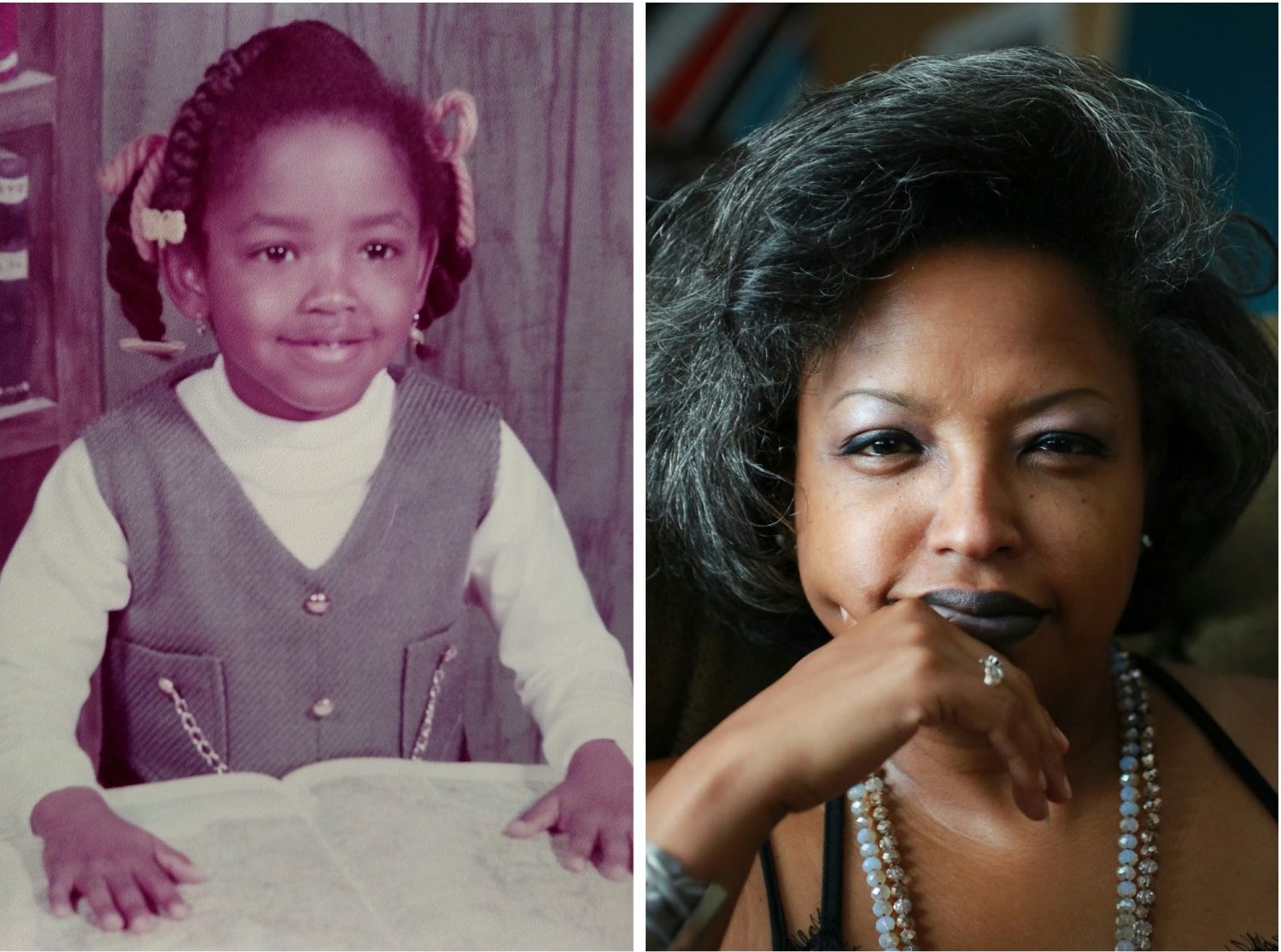
What you believe about yourself and others will show up in your actions, not in your speech.
If you believe you are worthy, you will act like it and you will make the best choices that you can to experience the best that life has to offer.
If you believe that the lives of others are precious and free, you will treat them with kindness and respect.
If you believe that life is worth the living, you will live it to the best of your ability.
If you respect the people in your life, you will show them that you care about their lives and their feelings.
If you are a good person, you will say and do good things, and you will probably be a giver.
On the other hand, if you believe that you are not a good person, it will be articulated in your actions.
Perhaps you will sabotage just about every good thing that comes into your life, and then fail to take responsibility for the damage that you cause.
The malevolence of your beliefs about yourself will show up in your day-to-day living, and you will probably take much more than you give, if you give anything at all without any expectation of repayment.
If you are selfish, you will not care about how your actions affect others (and being selfish is not a sign that you love yourself, rather it is a type of greed or, frankly, narcissism).
If you are manipulative, you will lie and deceive others to get what you want, and even when what you want could be freely obtained or given.
If you are hateful, you will belittle and spew hate on to others, including those you do not even know. You will not be a genuinely pleasant person to be around.
If you are not trustworthy, you will not trust others, and you may always be looking over your shoulder, and weaponizing yourself with your words and actions.
If deep down you believe that you are not worthy of good things and good people, then you will choose things and people who are not good for you.
You will make poor choices, and possibly suffer devastating consequences.
Oh yes, I have learned to pay attention to the core beliefs of others (and to my own) by observing their actions, not their speech.
And doing this has taught me how to save my own life.
©2020 annalise fonza, Ph.D.
Updated: 07/27/2024
 annalisefonza